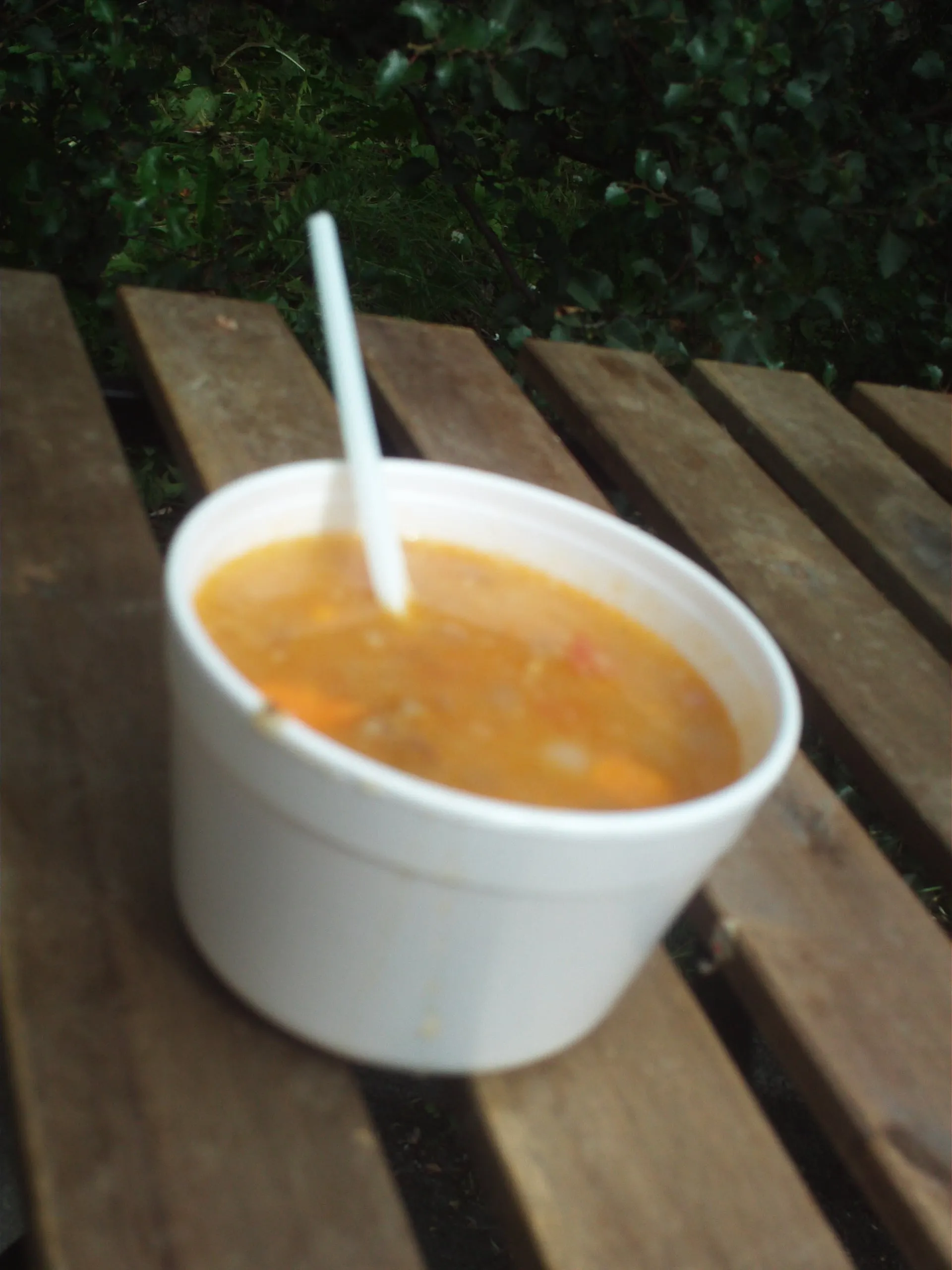
What's actually worth eating in Iceland — lamb soup, langoustine, skyr and street-food fish — and where to find it without paying tourist prices.
food culture family
Key facts
Time needed
Varies
Best months
jan, feb, mar, apr, may, jun, jul, aug, sep, oct, nov, dec
Seasons
all-year
Price level
medium
Family friendly?
Yes
Difficulty
easy
What to try
Langoustine (humar) — Höfn is the canonical spot. Several restaurants in town
specialise.
Fresh fish — almost every coastal restaurant. Cod, haddock, plaice, char.
Lamb (lambakjöt, kjötsúpa) — Icelandic lamb is grass-fed, free-range, distinctive.
Skyr — yogurt-like, high protein. Try it on muesli.
Bæjarins Beztu hot dog — Reykjavík’s most famous bite. Cheap, real.
How to save money
Cook one meal a day from supermarkets (Bónus, Krónan).
Soup-and-bread lunches are common and cheap; many cafés do them.
Tap water is excellent — never buy bottled.
Picnic on the road; gas-station meals are not the move.
Reservations
For fine dining in Reykjavík (Dill, Sumac, Brút) and the langoustine restaurants in Höfn
in summer, book a day or two ahead.
Frequently asked questions
What's the most overrated food experience in Iceland?+
Fermented shark (hákarl). It's a cultural curiosity but not what locals actually eat.
How expensive is eating out in Iceland?+
A casual meal runs 3 500–6 000 ISK per person; a sit-down dinner 7 000–12 000; fine-dining tasting menus 18 000+. Supermarket meals can be much cheaper.