Iceland in October
Iceland in October
October is the start of proper aurora season — natural ice caves open, prices drop, weather becomes more variable but rewards are high.
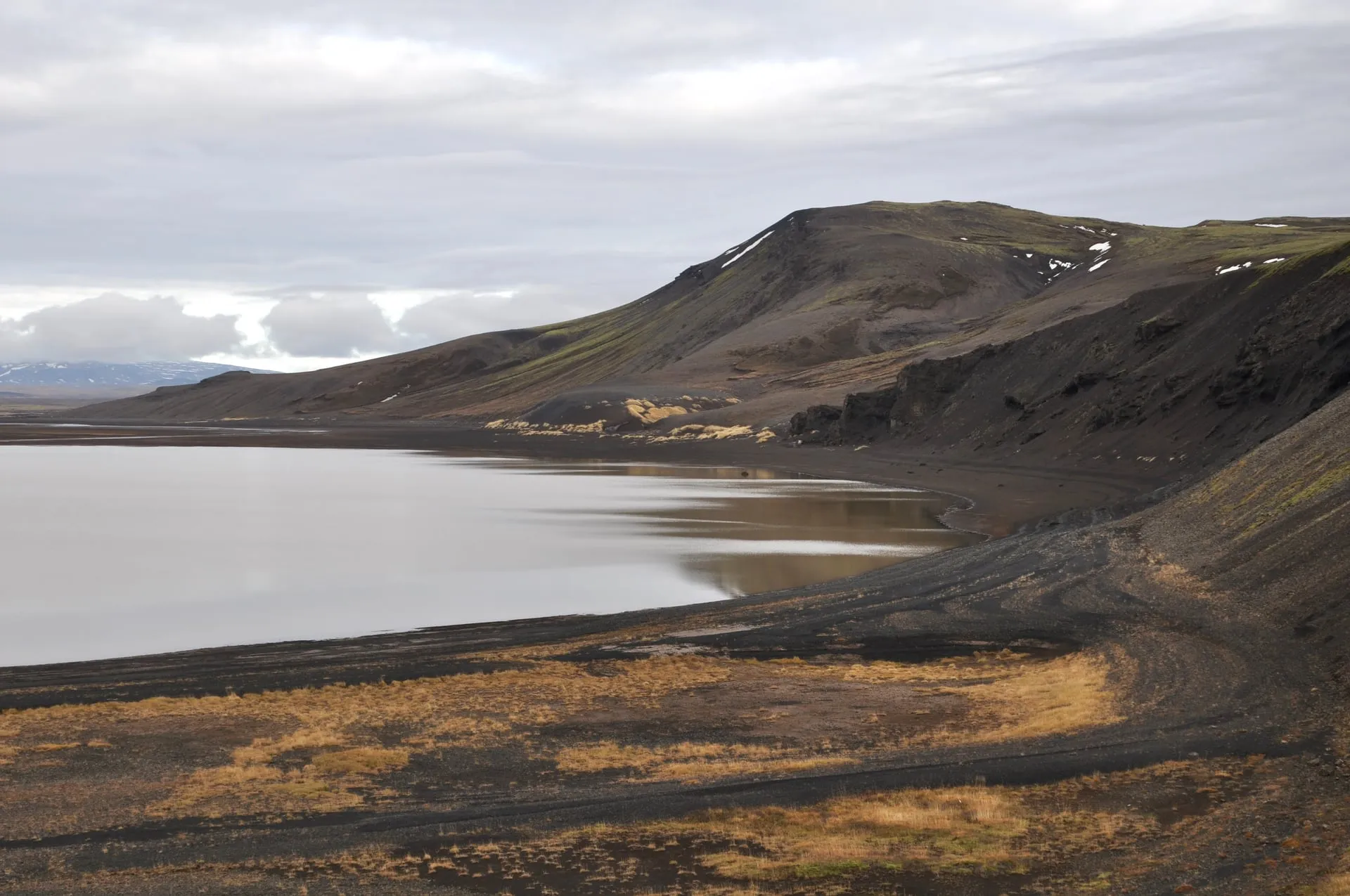
Key facts
- Daylight
- ~11 h at the start of October, ~8 h by month-end
- Average temperature
- 7°C high / 1°C low in Reykjavík
- Natural ice caves
- Tours typically start mid-to-late October
- Highlands / F-roads
- Closing through the month as snow arrives
- Aurora
- Back and strong, helped by equinox-period activity
- Avg high
- 7°C
- Avg low
- 1°C
- Daylight
- 8–11 h
- Season
- autumn
October is where Iceland turns back toward winter: aurora returns, natural ice caves start, autumn colour lingers, and prices ease. The trade-off is fast-shrinking daylight and the first serious storms, so flexibility matters.
What is the weather and daylight like in October?
Daylight drops fast — faster than people expect. You start the month near 11 hours and end close to 8, losing roughly six minutes a day. By late October the usable touring window is short, so plan tight loops, not long ones.
Temperatures sit around 7°C high and 1°C low in Reykjavík, colder inland with the first snow on higher ground. Storms begin in earnest this month. Check Veður.is and road.is every morning and watch for wind warnings.
What is open and what is closed in October?
This is the closing month for the Highlands. F-roads shut as snow arrives — some are already gone by early October, most by mid-month. Do not plan an interior route; confirm any mountain road on the live road.is map and read how to check road conditions in Iceland.
Natural glacier ice caves are not open at the very start of the month. Operators scout the Vatnajökull caves and tours typically begin mid-to-late October, depending on the year. Book once a tour is confirmed rather than assuming it runs.
The coastal Ring Road and southern sights stay accessible.
What should you actually do in October?
Two things define October: aurora and autumn. Darkness is back, and equinox-period activity makes it one of the strongest aurora months — hunt on any clear night. Early in the month, lingering autumn colour adds gold and red to the South Coast and East.
The South Coast classics — Seljalandsfoss, Skógafoss, Reynisfjara, Jökulsárlón, Diamond Beach and Stokksnes — are quiet and atmospheric. From mid-to-late month you can add a natural ice cave tour once they open.
What should you avoid in October?
Do not plan around the Highlands or expect summer-level access — F-roads are closing. Do not assume ice caves are running on day one of your trip; verify with the operator. And do not underestimate how fast the light goes: schedule driving for daylight, keep buffer days for storms, and never drive in red SafeTravel wind warnings.
How are crowds and prices in October?
October is strong shoulder value. Summer crowds are gone, accommodation and tours cost less than peak season, yet you get aurora, autumn scenery and the start of ice caves. Book aurora-focused hotels (Höfn, Stokksnes area, Vík) and any early ice cave tours ahead, since the good slots still fill.
See also
- Iceland in September — milder autumn, F-roads still mostly open
- Iceland in November — winter proper begins
- Northern lights in Iceland
- Ice cave tours
- How to check road conditions in Iceland
Book early
- Ice cave tours
- Aurora-focused hotels
What to pack
- Real warm coat
- Waterproof shell
- Insulated boots
Things to avoid
- Highlands (closing)
Frequently asked questions
When do natural ice caves open in Iceland?
Mid-to-late October typically, depending on the year and operator scouting.
Is October a good aurora month?
Yes — equinox influence makes October one of the strongest aurora months.
Are the F-roads open in October?
They are closing. Some Highland F-roads shut by early October and most by mid-month as snow arrives. Check the live road.is map before any interior route.