Iceland in September
Iceland in September
September is a quieter sweet spot — autumn colours, returning darkness and the first aurora nights, reasonable prices and the Highlands' last open weeks.
Key facts
- Daylight
- 11–15 hours, dropping fast toward the equinox
- Average temperature
- Highs around 10°C, lows around 5°C
- Highland F-roads
- Starting to close; most shut late September to early October
- Aurora
- Back on the menu — equinox activity is often strong
- Autumn colour
- Peaks mid-month in the Highlands and East
- Crowds and price
- The value sweet spot — quieter and cheaper than summer
- Avg high
- 10°C
- Avg low
- 5°C
- Daylight
- 11–15 h
- Season
- autumn
What is the weather and daylight like in September?
September is autumn. Highs ease to around 10°C, lows to about 5°C, and the first snow can dust the Highlands and northern mountains late in the month. It’s wetter and windier than midsummer, so a proper waterproof and warm layers matter — but a calm, golden September day is one of the best in the Icelandic year.
Daylight drops fast. The month opens with roughly 15 hours of usable light and closes nearer 11, crossing the autumn equinox (around September 22) when day and night even out. Plan drives early; the long bright evenings of summer are gone.
What is open in Iceland in September?
A transition month — summer access is closing, winter is opening.
- Highland F-roads start to close. Most shut from late September into early October as snow and meltwater return; higher routes go first. Don’t leave the Highlands to the last week without checking road.is and SafeTravel — closing dates shift with the weather every year.
- The Ring Road and all coastal sites stay fully open and passable.
- Natural ice caves open a little later — typically from mid-to-late October, once the glacier refreezes. September is the month to book ahead for the coming season.
- Puffins have already gone — they leave by mid-August, so September misses them.
What should you actually do in September?
- Chase the aurora. The northern lights are firmly back, and equinox-period activity is often strong. With darker nights returning and fewer tourists, September is a fine, uncrowded month to hunt them.
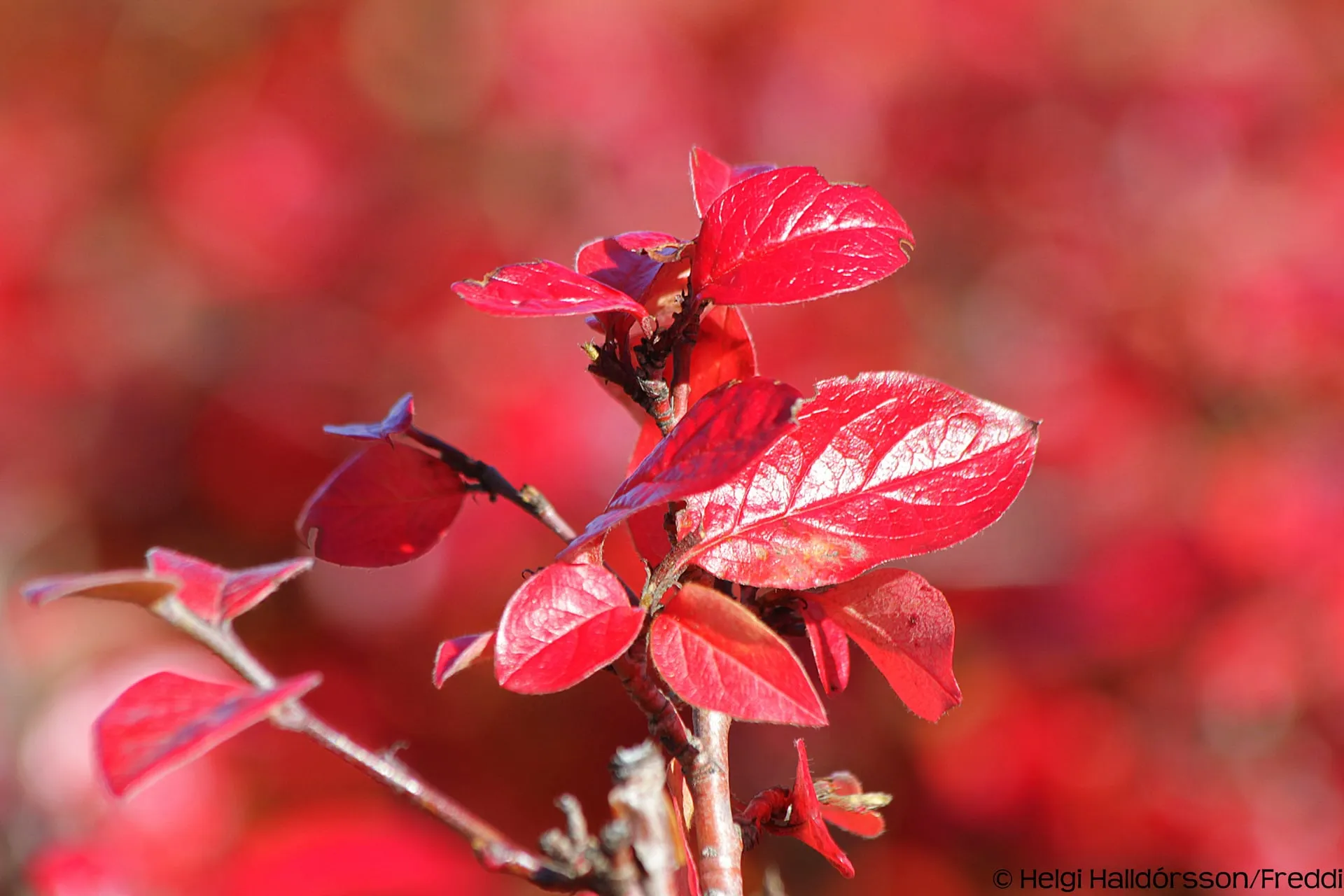
- Catch the autumn colour. Mid-month, the Highlands, the East and birch woodland like Þórsmörk turn red and gold — peak season for photography.
- Réttir — the sheep round-up. Through September, farmers gather the sheep down from the mountains into circular sorting pens (réttir). Some are open to visitors and many follow with a réttaball dance — a genuine slice of rural Icelandic life few tourists see. Dates vary by district; ask locally.
What should you avoid in September?
- Don’t make last-minute Highland plans. F-roads can close with little notice late in the month. If Landmannalaugar or Þórsmörk is a must, go early in September and confirm access on road.is first.
- Don’t come for puffins. They’re gone by mid-August — a September puffin trip will find empty cliffs.
- Don’t underestimate how short the days get. By late September you’ve lost around four hours of light versus the start of the month. Front-load your driving and don’t plan to reach distant stops late in the day.
How busy and expensive is September?
September is the value and aurora sweet spot. Summer crowds thin out, accommodation and car-hire rates fall from their July–August peak, and you still get a fully open Ring Road, peak autumn colour and the return of the northern lights. The trade-off is fast-dropping daylight and closing Highland roads. For travellers who want summer’s access with autumn’s quiet and a real aurora chance, it’s one of the best-value months to visit.
See also
- Northern lights in Iceland — September is the start of aurora season
- When Iceland’s Highland F-roads open in 2026 — and when they start to close
- How to check road conditions in Iceland — essential as F-roads close
- Photography stops in Iceland — peak autumn colour
- 7-day Ring Road itinerary — still fully drivable in September
- Iceland in August — the neighbouring month
Book early
- Northern lights tours
- Ice cave tours (season starts in October — book ahead now)
What to pack
- Warm layers
- Waterproof
- Hiking boots
Things to avoid
- Last-minute Highlands plans (closing dates vary)
Frequently asked questions
When do the F-roads close in Iceland?
Most close in late September or early October, depending on weather.
Is September aurora-season?
Yes — September is the start. Equinox-period activity is often strong.
Is September a good time to visit Iceland for fewer crowds?
Yes — it's the best value-to-experience month. Summer crowds and prices ease, the Ring Road is still fully open, autumn colours peak mid-month, and the aurora is back. The trade-off is daylight dropping fast and Highland roads beginning to close.