What you actually pack for a summer Iceland trip
Iceland's summer is mild, wet and windy — not warm. Pack for layers and weather, not temperature. The kit that works, and what to leave at home.
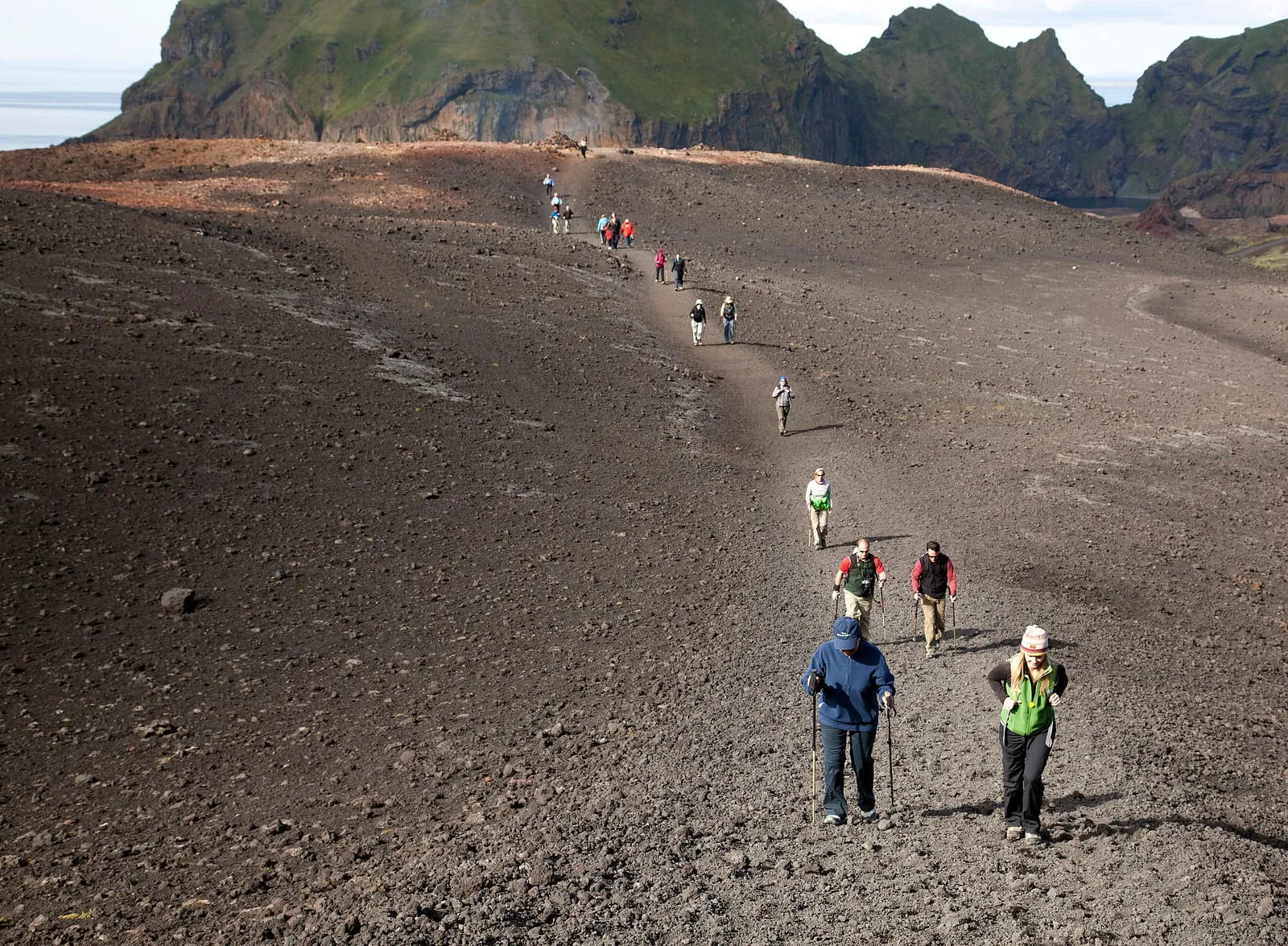
At a glance
- Summer temperature
- Daytime highs around 13–14°C; nights 7–9°C
- The rule
- Pack for layers and weather, not temperature
- Core kit
- Base layer + fleece/insulated mid + waterproof, windproof shell (jacket AND over-trousers)
- Don't forget
- Swimwear, quick-dry towel, eye mask, refillable water bottle
- Leave at home
- Umbrella, heavy winter parka, lots of cash
- Highland/glacier exception
- Add warmer layers; operators supply crampons
- Location
- Iceland
- Category
- editorial
- Published
- 7 June 2026
- Updated
- 7 June 2026
What should you pack for Iceland in summer?
Pack for layers and weather, not temperature. That one sentence does most of the work.
Icelandic summer — roughly June through August — is mild, wet and windy, not warm. Daytime highs sit around 13–14°C and a single afternoon can run from blue sky to horizontal rain and back. The thermometer barely moves; the conditions move constantly. So you dress for wind and water, and you build in the flexibility to add or shed a layer in two minutes.
Check the forecast each morning on Veður.is, the Icelandic Met Office — but read it for wind, not just rain.
What’s the layering system that actually works?
Three layers, every day:
- Base layer — merino or synthetic. Next to the skin. It moves sweat off you and keeps working when damp. Not cotton. Cotton soaks up moisture, stays wet, and chills you — a cold, clammy cotton T-shirt under a shell is the classic tourist mistake.
- Mid layer — fleece or a light insulated jacket. This is your warmth, and the layer you take on and off as the weather flips. A thin down or synthetic “puffy” packs small and does the job.
- Shell — genuinely waterproof and windproof. The piece most people get wrong by going too light. You want a real hardshell with a hood, plus waterproof over-trousers. The wind drives rain sideways and straight up; without over-trousers your legs are soaked within the hour on an exposed trail or a waterfall path.
Get the shell right and the rest is forgiving. A “water-resistant” fashion jacket is not a shell.
Why leave the umbrella at home?
Because the wind destroys it. Icelandic rain rarely falls straight down — it’s pushed sideways by gusts that turn an umbrella inside-out before you’ve crossed the car park. A hooded waterproof shell is the answer; it leaves your hands free and doesn’t fight the weather. Locals don’t own umbrellas, and that tells you everything.
What’s the one thing tourists forget?
Swimwear and a quick-dry towel. The geothermal pools and lagoons are the best part of most Iceland trips, and you’ll want them far more often than you’d think — after a long drive, in the rain, late at night under the never-setting sun. Every town has a heated public pool, and they’re cheap. Pack swimwear where you can reach it, not at the bottom of the case. A small quick-dry travel towel saves you the rental fee and the soggy regular towel in your bag.
See hot springs and geothermal pools for where to go.
What shoes do you need?
Sturdy waterproof walking shoes or light hiking boots. Trails here are wet, muddy and gravelly, and the spray off waterfalls leaves rock slick. Waterproofing and grip matter more than heavy ankle support for the average visitor. You don’t need full mountaineering boots — and if you book a glacier hike, the operator provides crampons that strap over normal boots.
What about the midnight sun?
Bring an eye mask, and earplugs if you sleep lightly. In June and July it never gets dark — there’s daylight at 1am — and blackout curtains aren’t guaranteed outside the larger hotels, least of all in guesthouses and campervans. The eye mask is the cheapest item on this list and the one most likely to save your trip.
The flip side of all that daylight: sunglasses and sunscreen. Twenty-plus hours of low-angle sun burns more than people expect, especially with glare off water, snow and pale gravel. Bring both even if it looks overcast.
Should you buy bottled water in Iceland?
No. Icelandic tap water is among the best on Earth, straight from the cold tap, and bottled water is a pure waste of money. Bring a refillable bottle and fill it anywhere — taps, petrol stations, guesthouse sinks. One quirk: the hot water is geothermal and can smell faintly of sulphur, so drink from the cold tap.
What should you NOT pack?
- A heavy winter parka. Summer doesn’t need it; your layers do the job. (Winter is a different article.)
- Too many outfits. You’ll live in the same two or three layered combinations. Pack light, do a wash.
- Lots of cash. Iceland is effectively cashless — cards and phone payments work everywhere, including petrol pumps and most toilets. Bring a fee-free card instead.
- An umbrella. See above.
What if you’re doing a glacier hike or the Highlands?
One exception to “summer doesn’t need warmth.” If you’ll do a glacier hike or drive a high F-road into the Highlands, the temperature drops and the wind sharpens — add a warmer mid-layer, a hat and gloves, even in July. You still don’t need a parka, and you don’t need technical gear: a glacier-hike operator supplies crampons, harness and an ice axe. F-roads also need a 4×4 and don’t open until they’re cleared, often well into June — check road.is before you commit.
See also
- Hot springs and geothermal pools — why swimwear is the most-used thing in your bag
- Photography stops in Iceland — making the most of that low summer light
- Iceland in June — the midnight-sun month in full
- Iceland in July — the warmest, busiest window
- Iceland in August — late summer, slightly cooler nights
- 7 days on the Ring Road — the trip most of this kit is for
Frequently asked questions
Do you need a winter coat in Iceland in summer?
No. A heavy winter parka is overkill for an Icelandic summer and just eats luggage space. The layering system — base, fleece or light insulated mid, and a waterproof windproof shell — handles everything from a 14°C sunny afternoon to a cold, wet, windy one. The only time you want serious warmth is a glacier hike or a high Highland day, and even then you layer up rather than pack a parka.
Should you bring an umbrella to Iceland?
No — leave it at home. Iceland's rain almost always comes with wind, and the wind turns umbrellas inside-out within seconds. A waterproof jacket with a proper hood is the only thing that works. You'll see the occasional umbrella skeleton in a Reykjavík bin and understand.
Do you need hiking boots in Iceland in summer?
For most travellers, sturdy waterproof walking shoes or light hiking boots are plenty. Trails are often wet, muddy and gravelly, and waterfalls leave the ground slick, so waterproofing and grip matter more than heavy ankle support. Save the big mountaineering boots for a serious multi-day trek; a glacier-hike operator provides crampons that strap over normal boots.
Is the tap water safe to drink in Iceland?
Yes — Icelandic tap water is among the cleanest in the world, straight from the cold tap, and there's no reason to buy bottled water. Bring a refillable bottle and fill it anywhere. (One quirk: the hot water is geothermal and can smell faintly of sulphur, so drink from the cold tap.)
How do you sleep with the midnight sun?
Bring an eye mask, and earplugs if you're a light sleeper. In June and July it genuinely never gets dark in Iceland, and blackout curtains aren't a given outside the bigger hotels — guesthouses and campervans especially. An eye mask is the single cheapest thing that will most improve your trip.
Do you need to bring cash to Iceland?
Almost none. Iceland is effectively cashless — cards (and phone payments) work everywhere, from petrol pumps to the smallest rural café and most public toilets. Bring a card with no foreign-transaction fee rather than a wad of krónur you'll struggle to spend.