Iceland's natural ice cave season 2026–27 is opening
Iceland's natural blue ice caves typically open in late October or November and run to about March. How the 2026–27 season works and how to visit safely.
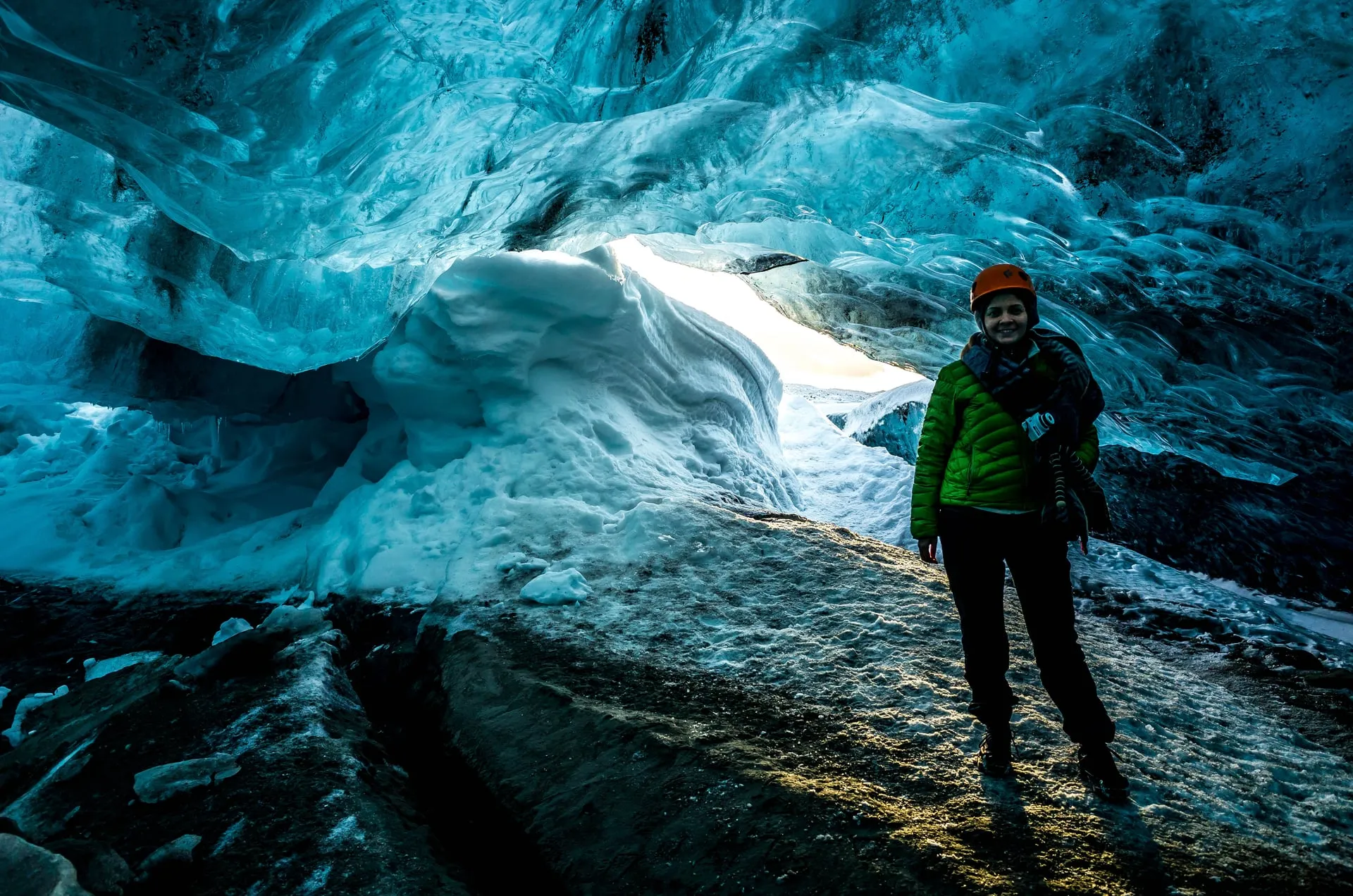
At a glance
- Season
- Typically late October/November to around March — weather-dependent
- Where
- Outlet glaciers of Vatnajökull, Southeast Iceland
- Guided only?
- Yes — never enter a glacier cave without a certified guide
- Time needed
- 2.5–4 hours per tour, including a super-jeep ride and a short walk on the ice
- Gear provided
- Helmet and crampons — bring waterproofs and hiking boots
- Best months
- December–February, when caves are usually most stable
- Longer-season alternatives
- Langjökull man-made ice tunnel (year-round); Katla ice cave near Vík
- Location
- Southeast Iceland
- Category
- attraction
- Published
- 27 October 2026
- Updated
- 27 October 2026
Source summary
Seasonal explainer based on standard local knowledge and Vatnajökull National Park's ice cave rules as reported by the Reykjavík Grapevine (September 2025). No specific cave or opening date is claimed for 2026–27; confirm with a licensed operator and the national park before you book.
When does the 2026–27 ice cave season start?
Natural ice caves in Iceland typically open in late October or November and run until around March. There is no fixed opening date. The trigger is the weather: a cave only opens once a run of sustained cold has frozen it stable enough to walk under.
So the honest answer for 2026–27 is the same as every year — the season opens when operators confirm their first tours, not on a calendar date. Every natural cave visit is guided-only. For tour types, kit and what’s included, start with our ice cave tours guide.
Why are natural ice caves a winter-only thing?
Because the water that builds them also tears them down. All summer, meltwater runs through the outlet glaciers of Vatnajökull and carves channels in the ice. When the autumn cold arrives, the melt slows, the water drains away, and those channels freeze into the blue caves you’ve seen photographed.
Warm weather runs the process in reverse: meltwater thins walls and ceilings while the glacier keeps moving. That is why the caves close for the warmer months.
The rules are stricter now, too. After a fatal accident during a summer ice cave tour on Breiðamerkurjökull in August 2024, Vatnajökull National Park tightened its rules. According to a September 2025 Reykjavík Grapevine report, cave tours in the park are closed from May through September, and glacier hikes and ice cave tours there are run by companies holding a contract with the park. Check the national park’s website for this winter’s rules.
Why can’t anyone promise you a specific cave?
Because the caves change or are replaced every single year. A cave that starred in last winter’s photos may have collapsed, flooded or melted away by spring, and new ones form somewhere else on the ice. Even mid-season, a thaw or a storm can change what’s safe.
That’s why licensed operators scout the glaciers each autumn and confirm which caves are safe before they start running tours — and why the cave you visit can change at short notice. Book the experience, not a particular cave from someone’s social feed.
What does an ice cave tour actually involve?
Most natural-cave tours follow the same pattern:
- Meeting point: typically around Jökulsárlón, Skaftafell or Höfn, on the south side of Vatnajökull.
- Getting to the ice: usually a super-jeep ride over rough glacial ground, then a short walk — often 15–45 minutes — in crampons.
- Kit: a helmet and crampons are provided. You bring a waterproof shell (top and bottom), warm layers, hat, gloves and sturdy hiking boots. Not jeans.
- Time: most tours take 2.5–4 hours in total, and a good share of that is the drive and the walk.
- Fitness: no special fitness needed for most tours — the walk is short, but it’s on ice.
Getting there is the bigger commitment. Jökulsárlón is roughly 370 km from Reykjavík on Route 1 — about 5 hours of pure driving, more in winter conditions — so a day trip from the capital means around 10 hours behind the wheel before you count the tour. Sleep in the area, check road.is and Veður.is the morning you drive, and read how to check road conditions if winter driving is new to you.
Book as soon as your dates are fixed. Peak winter dates — the Christmas and New Year fortnight above all — sell out well in advance. Tours are weather-dependent, so check the operator’s cancellation policy (most rebook if they cancel for weather) and keep a buffer day after the tour.
How do natural ice caves compare with the year-round alternatives?
If your dates don’t line up with the season, two options run much longer — but be clear about what you’re getting:
- The Langjökull ice tunnel (West Iceland) is man-made, dug into the ice cap, and runs year-round. It’s a real walk inside a glacier, but it was carved by machines, not water, so don’t expect the translucent blue walls of a natural cave.
- The Katla ice cave near Vík sits in the ice of Mýrdalsjökull and runs on a much longer season than the Vatnajökull caves. Its ice is banded black with volcanic ash — dramatic, but a very different look from the clear blue.
Our verdict: if the blue ice is the reason you’re coming, only a natural Vatnajökull cave in winter delivers it. Outside the season, or if you’re not heading as far east as Jökulsárlón, the alternatives are a fair substitute — just not the same thing.
When is the best time to see an ice cave?
December to February is the sweet spot. Sustained cold keeps the caves at their most stable, the full range of tours is running, and the ice is often at its bluest. December is peak season, so book early.
Early season (late October–November) works, but expect fewer caves and more variable conditions: a mild spell can delay openings or shut a cave temporarily. If you’re travelling in November, book a tour that’s actually confirmed rather than one that “should” be running.
By late March, rising temperatures start closing the caves again. If a natural cave is the point of your trip, aim for the heart of winter — Iceland in winter covers the daylight, driving and storm-buffer planning.
Is it safe to visit an ice cave in Iceland?
With a licensed operator and a certified glacier guide, yes — that’s the point of the guided-only rule. On your own, no. Glacier caves can collapse without warning, meltwater can rise fast, and the approach can hide crevasses under snow.
- Never enter a glacier cave without a certified guide — not even the entrance of one you spot from a trail.
- Wear the helmet, stay with the group and follow the guide’s line.
- Storms cancel tours. Check the forecast on Veður.is and keep a buffer day.
For official safety advice see SafeTravel and Vatnajökull National Park, plus our glacier safety explainer.
How do you fit an ice cave into a winter trip?
Book the cave first, then build the trip around it. The 5-day winter itinerary does exactly that: the South Coast on the way east, the cave on day 4 with a night near Jökulsárlón or in Höfn, and a Reykjavík bookend as the storm buffer.
See also
- Ice cave tours in Iceland — tour types, kit and booking
- Jökulsárlón and Skaftafell — where tours typically meet
- Iceland in November and Iceland in December
- Iceland in winter and the 5-day winter itinerary
- Official: SafeTravel · Vatnajökull National Park
Frequently asked questions
When do ice caves open in Iceland for the 2026–27 season?
Natural ice caves in Vatnajökull typically open in late October or November, once sustained cold has stabilised the ice, and run until around March. There is no fixed opening date — operators scout the caves each autumn and only start tours once a cave is judged safe, so confirm with a licensed operator before you build a trip around one.
Can you visit an ice cave in Iceland without a guide?
No. Never enter a glacier cave on your own — not even the entrance. Caves can collapse without warning, meltwater can rise fast and crevasses hide on the approach. Go with a licensed operator and a certified glacier guide; they provide helmets and crampons, monitor each cave and close it when conditions change.
Can you choose which ice cave you visit?
Usually not. The caves change or disappear every year, and even within a season the operator decides which cave to use based on current conditions. Photos from previous winters often show caves that no longer exist — book the experience, not a specific cave.
What is the best month to see ice caves in Iceland?
December to February is usually the best stretch — sustained cold keeps the caves at their most stable and the full range of tours is running. Late October and November can mean fewer caves and more variable conditions, and by late March rising temperatures start closing them again.
What is the difference between natural and man-made ice caves in Iceland?
Natural caves in Vatnajökull are carved by summer meltwater, glassy blue and winter-only. The Langjökull ice tunnel is man-made, dug into the ice cap, and runs year-round. The Katla ice cave near Vík runs on a longer season and its ice is banded black with volcanic ash. Both are real glacier experiences, but neither has the translucent blue of a natural winter cave.
How far ahead should you book an ice cave tour?
As soon as your dates are fixed. Peak winter dates — the Christmas and New Year fortnight above all — sell out well in advance. Tours are weather-dependent, so check the operator's cancellation policy and keep a buffer day after the tour in case a storm moves it.
Sources
Official
- SafeTravel — safety advice and alerts
- Vatnajökull National Park
- Veður.is — Icelandic Met Office (live wind & weather)
- Road.is — Icelandic road conditions