Iceland in shoulder season: why March and October are the sweet spots
March and October are Iceland's shoulder-season sweet spots — fewer crowds and lower prices than summer, but aurora, ice caves and strong scenery still on.
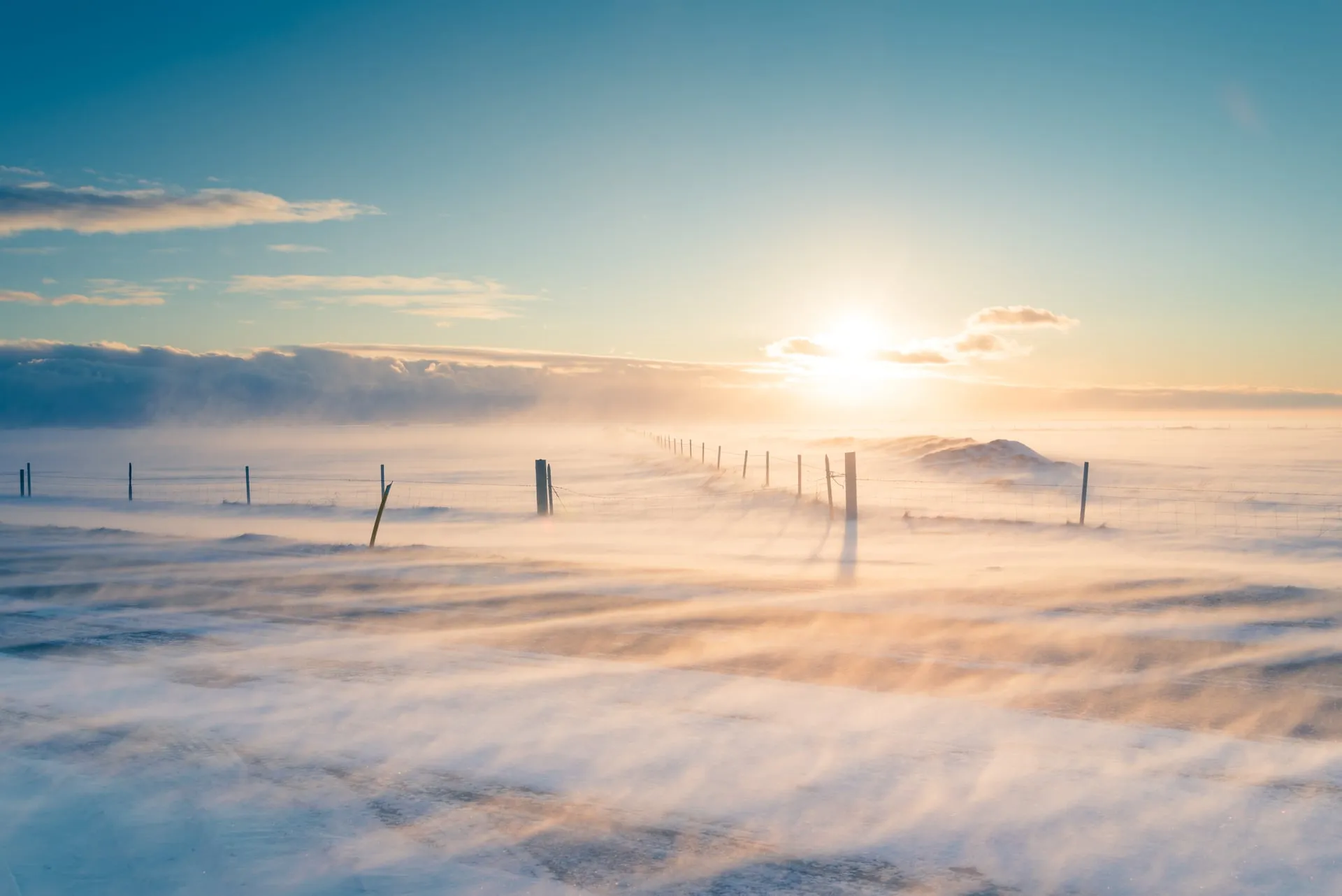
At a glance
- What it is
- The quieter, cheaper months either side of summer — chiefly March and October
- March daylight
- ~10 h at the start, ~13 h by month-end (gaining ~7 min a day)
- October daylight
- ~11 h at the start, ~8 h by month-end
- Aurora
- Strong in both months; equinox-period activity helps (late March, October)
- Ice caves
- Natural caves accessible early March; new-season tours start mid-to-late October
- Highlands / F-roads
- Closed in March, closing through October — no interior access
- Prices
- Typically lower than the June–August peak (confirm current rates with operators)
- Location
- Iceland
- Category
- travel-update
- Published
- 16 August 2026
- Updated
- 16 August 2026
Source summary
Evergreen shoulder-season explainer based on standard local knowledge and the month-by-month daylight, temperature and access figures on whattodo.is, plus the Icelandic Met Office (Veður.is). No live event; check current prices and conditions before travel.
What does “shoulder season” mean in Iceland?
Shoulder season is the quieter, cheaper stretch on either side of the summer peak. In Iceland that lands most usefully on March and October — the two months that still deliver winter’s headline experiences (aurora, ice caves, snow) but at prices and crowd levels closer to the off-season than to the June–August rush.
It is not one season but two edges. March is late winter on its way out; October is autumn tipping toward winter. Both share the same bargain: strong conditions, thinner queues, lower bills.
Why does March work?
March is winter with momentum. Daylight climbs fast — from about 10 hours at the start of the month to roughly 13 by the end, gaining around seven minutes a day — so the touring window feels nothing like midwinter’s short afternoons.
The winter draws are still on. Natural ice caves under Vatnajökull are usually accessible in the first half of the month before they close for the warm season, and equinox-period aurora is strong on clear nights. Reykjavík averages about 4°C. And it all sits below the December–February holiday peak in price. Full month detail in Iceland in March.
Why does October work?
October runs the same trade in reverse. It is the month Iceland turns back toward winter: aurora season is firmly back after the bright nights of summer, and the first frosts leave autumn colour — russet and gold — on the South Coast and East before the leaves go.
Daylight is dropping (from about 11 hours to 8 across the month), which is exactly what makes the aurora visible again. New-season natural ice cave tours typically start mid-to-late October. Reykjavík averages about 7°C, milder than March. Crowds are gone and prices have eased. See Iceland in October.
What do you trade for the lower prices?
Be honest with yourself: shoulder season is a genuine trade-off, not a free lunch.
- Weather volatility. Storms and strong wind are common in both months, and a single red wind warning can erase a driving day. Check Veður.is every morning and never drive in a red warning.
- Less daylight than summer. You get far more than midwinter, but nothing like June’s near-midnight sun. Plan tight loops and keep the driving in the light.
- No Highlands. The interior F-roads are closed in March and closing through October, so Landmannalaugar, Þórsmörk and the rest of the interior are off the table until late spring.
None of this usually cancels a trip — it just means you dress for the weather, keep a buffer day or two, and treat the forecast as part of the plan.
Who should visit in shoulder season?
Two kinds of traveller win most. Budget-conscious visitors get winter’s marquee experiences — aurora, ice caves, near-empty waterfalls — without peak-season room and tour rates; pair the trip with Iceland on a budget. And crowd-averse travellers get the famous South Coast stops nearly to themselves.
It suits you less if you need guaranteed settled weather, the longest possible days, or Highland access — that is high summer. But if your trip is built around the northern lights or ice cave tours, March and October are the value sweet spots: the same headline Iceland, for less money and fewer people.
See also
- Iceland in March — late-winter aurora and lingering ice caves
- Iceland in October — aurora returns over autumn colour
- Iceland on a budget — stretch the shoulder-season savings
- Northern lights in Iceland and ice cave tours
- Live wind and weather: Veður.is
Frequently asked questions
What is shoulder season in Iceland?
The months on either side of the summer peak — in practice March and October — when crowds and prices drop but conditions stay strong. You still get aurora, ice caves and dramatic scenery, just without the June–August rush or the deep-winter dark.
Is March or October better for the northern lights?
Both are strong. Each sits near an equinox, which tends to lift aurora activity, and both have genuinely dark nights — unlike summer, when it never gets dark enough to see them. March gives you more evening daylight around the hunt; October gives you longer nights.
Can you still do ice cave tours in shoulder season?
Yes, at the edges. Natural glacier ice caves under Vatnajökull are usually still accessible in early March before they close for the warm season, and the new season's tours typically start mid-to-late October. Book once a tour is confirmed rather than assuming it runs.
Is shoulder season cheaper than summer in Iceland?
Generally yes — accommodation and tours typically cost less than the June–August peak, and the headline sights are far quieter. Prices move year to year, so check current rates directly with hotels and operators rather than trusting an old figure.
What is the catch with visiting in March or October?
Weather volatility. Storms and strong wind are common, daylight is shorter than summer, and the Highlands are closed (March) or closing (October), so F-road interior routes are off the table. Keep buffer days, check Veður.is each morning, and never drive in a red wind warning.