Why there are no umbrellas in Iceland (and what to pack instead)
Iceland's wind flips umbrellas inside-out in seconds, so you'll see almost none here. Why it's the wind not the rain — and the shell to pack instead.
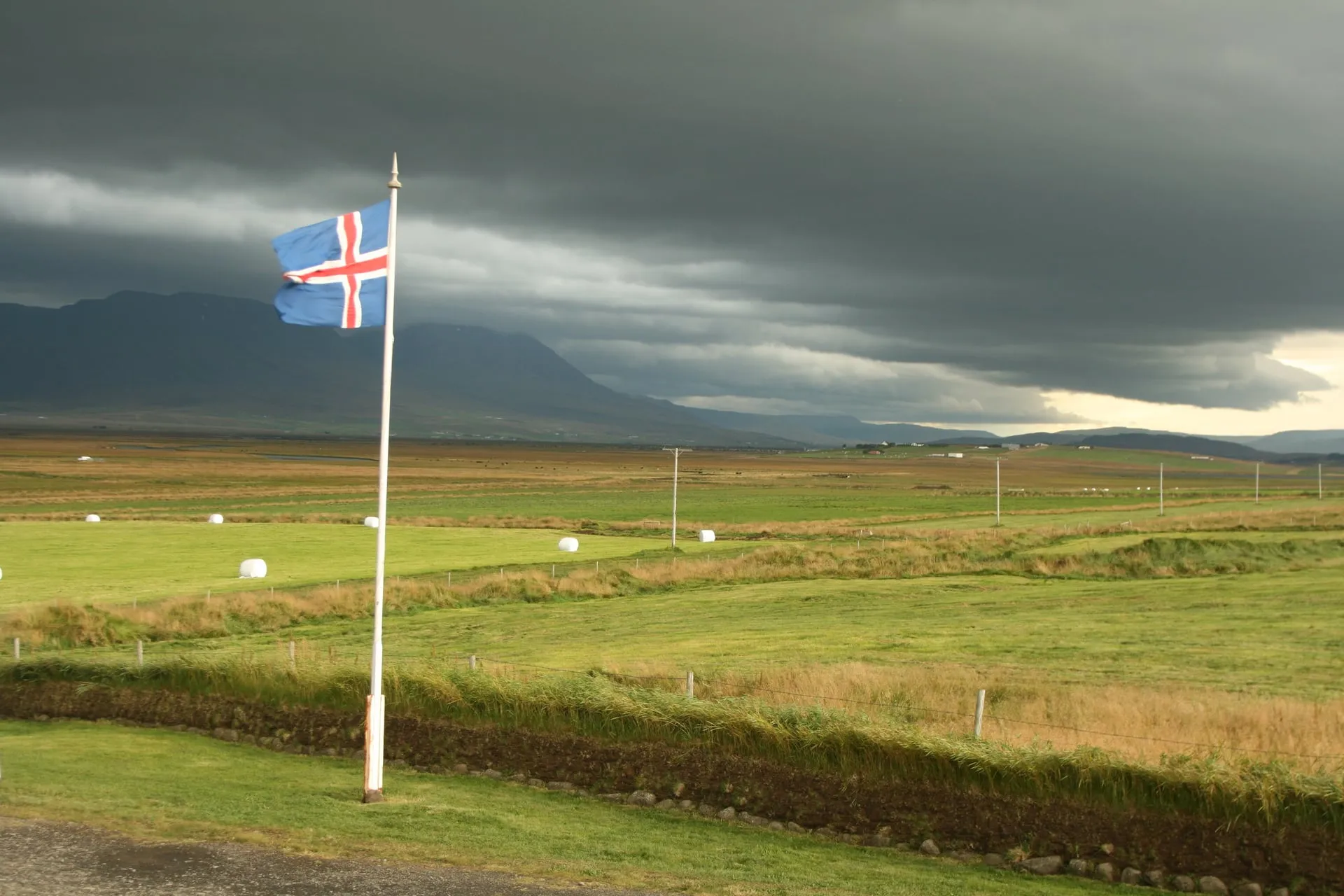
At a glance
- The real problem
- Wind, not rain — gusts of 15–25 m/s flip umbrellas inside-out
- Why so windy
- Exposed North Atlantic island, few trees, little sheltering terrain
- What locals wear
- Waterproof, windproof hooded shell + layers + waterproof over-trousers
- Rain direction
- Usually horizontal, so a canopy overhead does little
- Season note
- Summer wet-and-windy (~13–14°C); winter adds cold and ice
- The takeaway
- Leave the umbrella, bring the shell
- Location
- Iceland
- Category
- weather
- Published
- 21 June 2026
- Updated
- 21 June 2026
Source summary
Evergreen explainer based on standard local knowledge and the Icelandic Met Office (Veður.is). No live event.
Why don’t you see umbrellas in Iceland?
Because the enemy is wind, not rain. An umbrella is built for water falling straight down in still air — a condition Iceland almost never gives you. Out here the gusts flip the canopy inside-out and snap a rib or two, usually before you’ve crossed the car park. I gave mine up years ago, and so has nearly everyone who lives here.
Walk through Reykjavík in a downpour and you’ll count zero umbrellas — just hoods. The occasional mangled umbrella skeleton stuffed in a downtown bin is the tourist starter kit, day one.
Why is the wind so relentless?
Iceland sits alone in the North Atlantic, with no neighbouring landmass to slow weather systems down and almost no trees or high shelter to break the wind at ground level. Storms roll in off open ocean and accelerate across flat coast, lava field and glacial plain. Gusts of 15–25 m/s are ordinary; a real storm goes well past that.
It also shifts fast. Calm to gale inside an hour is normal — the same reason the weather changes so quickly here. An umbrella can’t track a wind that swings direction while you walk.
What do locals wear instead?
We wear the weather instead of fighting it. The kit that actually works:
- A proper waterproof, windproof shell — a real hardshell jacket, not a “water-resistant” fashion coat. This is the one piece worth spending on.
- A hood, pulled up over a warm hat. The hood does the umbrella’s job and never blows away; the hat keeps your head warm underneath.
- Layers underneath — a base layer and a fleece or light insulated mid-layer, so you can add or shed as the weather swings.
- Waterproof over-trousers for the genuinely wet days. Horizontal rain soaks your legs first.
The bonus an umbrella never gives you: both hands free for a camera, a railing, a child, or a car door the wind is trying to rip open. For the full list, see what to pack for summer.
Why is the rain usually horizontal?
Because the same wind that kills umbrellas drives the rain sideways — and near a cliff it can blow straight up. A canopy over your head does nothing when the water is coming at your knees. That is why a sealed hood and collar beat any umbrella: they close the gap the sideways rain aims for.
How does this change your sightseeing?
Mostly it just makes the famous spots wetter, not off-limits. Plan for it:
- Waterfalls throw spray a long way — Skógafoss and Seljalandsfoss will soak you from 30 metres in the wrong wind. Shell on, lens cloth ready.
- Coastal stops like Reynisfjara and Dyrhólaey funnel the wind hard; hold onto hats and car doors.
- Exposed viewpoints and mountain passes are where the gusts peak. Brace, and mind loose gear.
None of this is usually a reason to cancel. Dressed right, a wet-and-windy day in Iceland is just a normal day — you stay out, you keep shooting, you dry off in the car. The exception is a genuine storm warning, which is a stop-and-check-Veður.is situation, not an umbrella situation.
Does the season change the packing?
The wind-and-rain rule holds all year; the temperature is what moves.
- Summer (roughly June–August) is wet-and-windy, not cold — highs around 13–14°C. Same shell, lighter layers. See Iceland in summer, plus the month guides for July and August.
- Winter keeps every bit of the wind and adds real cold, ice and dark on top, so you build warmth under the same waterproof shell — see Iceland in winter.
For live wind and rain before you head out, check the Icelandic Met Office (Veður.is) — and read it for wind speed, not just the rain icon.
The one-line takeaway
Leave the umbrella at home. Bring the shell. That single swap is the difference between fighting an Icelandic day and simply walking through it.
See also
Frequently asked questions
Should you bring an umbrella to Iceland?
No — leave it at home. Icelandic rain almost always comes with wind, and the wind turns an umbrella inside-out within seconds, usually snapping it. A hooded waterproof shell does the job, survives the gusts, and leaves your hands free.
Do Icelanders ever use umbrellas?
Almost never. You can walk through Reykjavík in heavy rain and count zero umbrellas — just hoods. The occasional mangled umbrella skeleton in a downtown bin is usually a tourist's day-one lesson.
How windy does it actually get in Iceland?
Gusts of 15–25 m/s (roughly 30–55 mph) are an ordinary day, and a real storm goes well past that. The wind also shifts fast — calm to gale inside an hour is normal — which is exactly what an umbrella can't cope with.
If not an umbrella, what keeps you dry?
A genuinely waterproof, windproof hardshell jacket with a hood, worn over a base and mid layer, plus waterproof over-trousers for the wettest days. The hood pulls up over a warm hat and does everything an umbrella can't.
Does the rain in Iceland ever fall straight down?
Rarely. The wind usually drives it sideways, and near cliffs it can blow straight up. That's why a canopy over your head is pointless here and a sealed hood and collar win instead.